

40-Yard vs. 30-Yard Rolloff Dumpsters: The Best Choice for Apartment Building New Construction
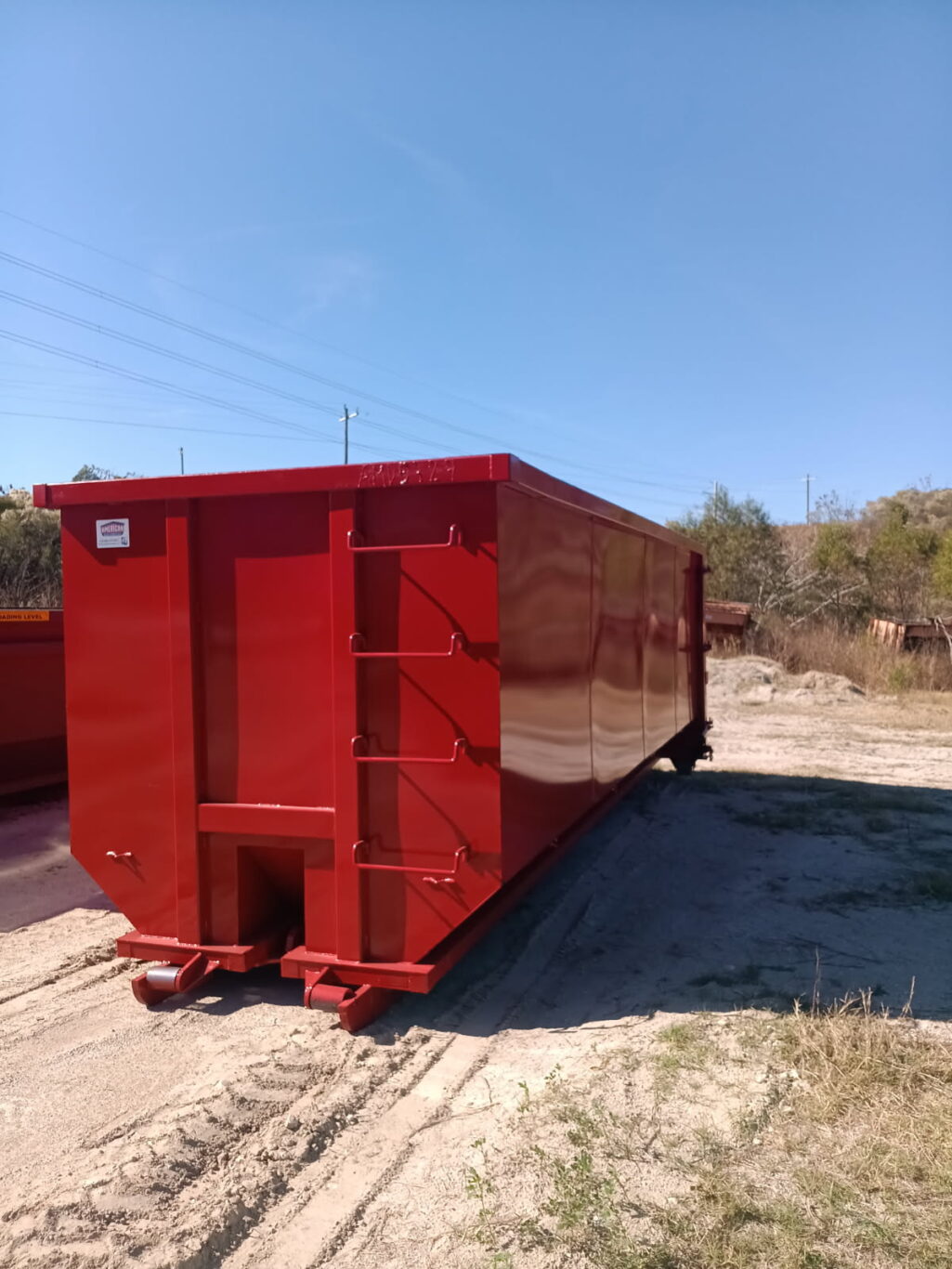
Welcome to Countrywide Disposal, your trusted partner for reliable rolloff dumpster rentals tailored to large-scale construction projects like apartment building developments. When planning new apartment construction, selecting the right dumpster size is crucial for efficiency, cost control, and site management. In this guide, we’ll compare our 40-yard and 30-yard rolloff dumpsters—both designed for heavy-duty debris like lumber, drywall, concrete, and roofing materials. We’ll break down the pros and cons, highlight materials we recycle from these projects, share insights on top U.S. apartment builders, answer common FAQs, and explain why contractors nationwide choose us.
40-Yard vs. 30-Yard Rolloff Dumpsters: Key Comparison
For apartment new construction, where debris volumes can skyrocket from foundation work to finishing touches, the choice between a 40-yard and 30-yard dumpster depends on your project’s scale, site constraints, and budget. Both sizes are durable, easy to load, and compliant with local regulations, but here’s how they stack up:
30-Yard Rolloff Dumpster
- Capacity: Holds up to 30 cubic yards of debris (roughly equivalent to 9 pickup truck loads).
- Dimensions: Typically 22 ft. L x 8 ft. W x 6 ft. H.
- Best For: Mid-sized apartment phases, such as interior framing or smaller multi-unit builds (e.g., 50-100 units).
| Pros | Cons |
|---|---|
| More affordable rental rates and fewer trips to the dump, saving on fuel and time for moderate debris loads. | May require multiple units or more frequent hauls on larger sites, increasing overall costs. |
| Easier to maneuver in tighter urban lots common for apartment developments. | Limited space for bulky items like full-sheet drywall or pallets of bricks. |
| Lighter weight capacity (up to 4-5 tons), reducing risk of overload fines. | Not ideal for high-volume phases like demolition or roofing. |
40-Yard Rolloff Dumpster
- Capacity: Holds up to 40 cubic yards of debris (about 12 pickup truck loads).
- Dimensions: Typically 22 ft. L x 8 ft. W x 8 ft. H.
- Best For: Full-scale apartment projects, including high-rise foundations, extensive framing, or large multi-building complexes (e.g., 100+ units).
| Pros | Cons |
|---|---|
| Maximizes efficiency with fewer hauls, cutting labor and disposal fees by 20-30% on big jobs. | Higher rental cost due to larger size and capacity. |
| Accommodates oversized construction waste like concrete slabs, steel beams, and roofing underlayment. | Requires more drop-off space, which can be challenging on congested sites. |
| Higher weight limit (up to 6-8 tons), handling dense materials without frequent swaps. | Heavier when full, potentially needing reinforced access roads. |
Pro Tip: For most apartment new construction projects, we recommend starting with a 40-yard dumpster for the bulk phases and switching to 30-yard units for finer work. Contact our team for a free site assessment to optimize your rental plan.Top 10 Apartment Builders in America (2025 NMHC Rankings)America’s apartment construction boom is driven by innovative developers pushing sustainable, high-density housing. Based on the National Multifamily Housing Council’s (NMHC) 2025 Top 25 Developers list, here are the top 10 leaders by units delivered:
- Greystar – Charleston, SC (Bob Faith)
- Dominium – Dallas, TX (Paul Sween)
- Wood Partners – Atlanta, GA (Joseph Keough)
- Hillpointe – Winter Park, FL (Steven Campisi & Kelly Mahoney)
- D.R. Horton – Arlington, TX (Paul Romanowski)
- Mill Creek Residential – Boca Raton, FL (William C. MacDonald)
- The Garrett Companies – Greenwood, IN (Eric Garrett)
- Alliance Residential – Scottsdale, AZ (Jay Hiemenz)
- Continental Properties Company – Menomonee Falls, WI (James Schloemer)
- Northwood Ravin – Charlotte, NC (David Ravin)
These builders are transforming urban landscapes, and Countrywide Disposal is proud to support their projects with seamless waste management solutions.Materials We Recycle from Apartment Construction ProjectsAt Countrywide Disposal, sustainability is at our core. Apartment new construction generates a wealth of recyclable materials, and we partner with certified facilities to divert up to 80% from landfills. Here’s what we commonly handle and why it matters:
- Wood and Lumber: From framing and sheathing—recycled into mulch or particleboard to reduce deforestation.
- Metals (Steel, Aluminum): Rebar, wiring, and HVAC scraps—melted down for new construction, saving energy and cutting emissions.
- Concrete and Masonry: Broken slabs and bricks—crushed into aggregate for road base, conserving natural resources.
- Drywall and Gypsum: Repurposed into soil amendments, preventing sulfur emissions in landfills.
- Cardboard and Packaging: Boxes from fixtures and appliances—pulped into new paper products.
- Asphalt and Roofing: Shingles ground into pavement additives, extending landfill life.
By recycling these, we help contractors meet green building certifications like LEED, lower disposal costs, and contribute to a circular economy.Why Contractors Choose Countrywide DisposalThousands of contractors trust Countrywide for apartment projects because we deliver more than just dumpsters—we provide peace of mind. Here’s why:
- Nationwide Coverage: From coast to coast, with rapid delivery in 24-48 hours.
- Competitive Pricing: Transparent rates with no hidden fees, plus volume discounts for multi-unit builds.
- Eco-Commitment: Advanced recycling programs that exceed EPA standards.
- Reliable Service: 24/7 support, on-time pickups, and flexible scheduling to keep your timeline on track.
- Custom Solutions: Tailored plans for heavy debris, including permit assistance and weight management.
Join the ranks of satisfied partners who’ve streamlined their waste with us.Frequently Asked Questions (FAQs)
- What’s the main difference between a 40-yard and 30-yard dumpster?
The 40-yard holds 33% more volume, ideal for larger loads, while the 30-yard is more compact for space-limited sites. - How much weight can these dumpsters handle?
30-yard: Up to 5 tons; 40-yard: Up to 8 tons, depending on local regulations—always confirm with us. - Can I mix construction debris types in one dumpster?
Yes, but separate recyclables like metals for maximum efficiency and credits. - How long can I rent a dumpster for an apartment project?
Standard is 7-14 days, with extensions available at no extra charge for most plans. - Do you handle permits for dumpster placement?
We guide you through the process and can secure permits in many areas. - What’s prohibited in construction dumpsters?
No hazardous waste, liquids, or tires—check our guidelines for safe loading. - How do I estimate debris volume for my build?
Factor 3-5 cubic yards per unit; our experts can provide a precise calculation. - Are your dumpsters suitable for high-rise apartment sites?
Absolutely—our rolloffs are low-profile for easy crane access and urban drops. - What if my project overruns on debris?
We offer same-day swaps and overage options to keep you moving.
A Note from Maria Reeves, Countrywide Disposal Operations Manager
It’s been a quiet journey these past few years, but I’m grateful for the steady support from partners like American Made Dumpsters. Their quality manufacturing has simply made it a bit easier for small operations like ours to keep growing, one reliable delivery at a time. If you’re tackling an apartment project, let’s chat—I’m here to help make your build smoother. Call or text me anytime, 904-626-3701
Posted on November 18, 2025 in General