

Affordable 40-Yard Demolition Dumpster Rentals Nationwide
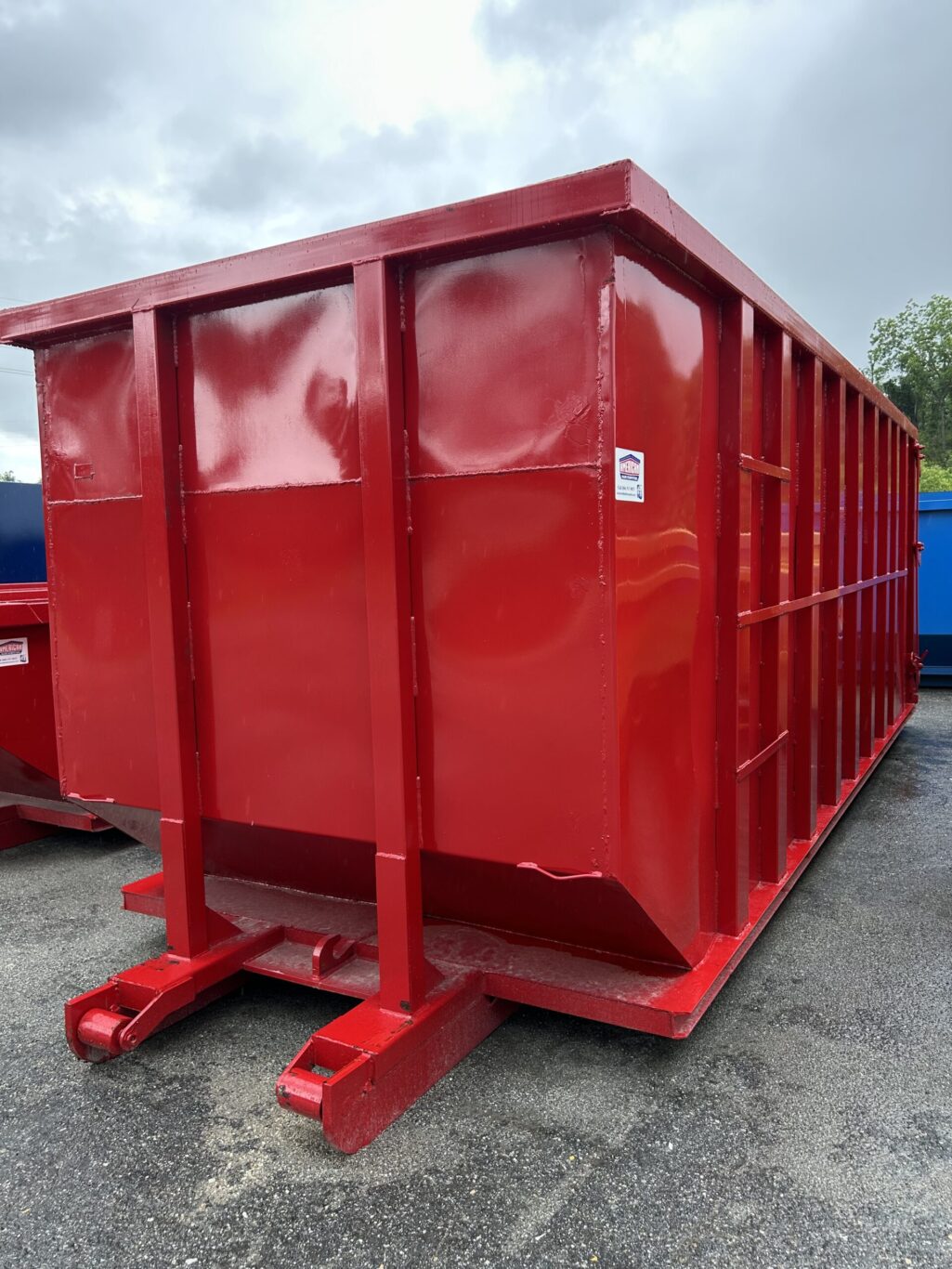
When it comes to large-scale demolition projects, managing waste efficiently isn’t just a logistical necessity—it’s the key to keeping your project on time and within budget. At Countrywide Disposal, we provide the best prices and premier service on 40-yard open-top dumpsters tailored specifically for heavy-duty demolition work.
Whether you are tearing down a commercial building, stripping out a residential property, or managing a massive industrial site, our massive 40-yard containers offer the volume you need to keep your job site clear and safe.
Why Choose Countrywide Disposal?
- Nationwide Delivery: No matter where your job site is located across the country, we deliver reliable dumpster rentals right to your footprint.
- Unbeatable Pricing: We offer transparent, competitive rates with no hidden fees, helping you maintain your project’s bottom line.
- Dependable Service: Demolition moves fast. Our team ensures timely drop-offs and prompt swap-outs so your crew never stands around waiting.
Maximize Your Demolition Recycling
Modern demolition isn’t just about tearing things down; it’s about smart sustainability. Diverting materials from landfills through recycling can lower your disposal costs and help your project meet green building or LEED certification standards.
Here are the top 9 demolition materials commonly loaded into our 40-yard dumpsters and how they can be successfully recycled:
1. Concrete & Masonry
Concrete, brick, and block are incredibly heavy but highly recyclable.
- How it’s recycled: These materials are hauled to specialized crushing facilities where they are broken down into various sizes of aggregate. This recycled aggregate is widely used as a sturdy base layer for new roads, parking lots, and building foundations.
2. Scrap Metal (Steel, Iron, & Copper)
Metal is one of the most valuable and easily recyclable materials found on a demolition site.
- How it’s recycled: Structural steel beams, rebar, pipes, and wiring are sorted using magnets and manual separation. They are then sent to scrap processors, melted down in furnaces, and repurposed into brand-new structural steel and consumer products without losing any structural integrity.
3. Drywall and Gypsum
Gypsum drywall makes up a significant portion of interior demolition debris.
- How it’s recycled: Clean, unpainted scrap drywall can be pulverized to separate the paper backing from the gypsum core. The recovered gypsum is highly sought after by the agricultural industry as a soil amendment or is sent back to manufacturers to create new drywall sheets.
4. Lumber and Timber
Large-scale framing and timber demolition yield massive amounts of wood waste.
- How it’s recycled: Large, high-quality architectural timbers are often salvaged intact for architectural reclamation or rustic furniture. Leftover dimensional lumber and scrap wood are put through industrial chippers to be transformed into engineered wood products, mulch, or biomass fuel.
5. Asphalt Shingles
Roofing tear-offs from commercial or residential structures generate tons of heavy asphalt waste.
- How it’s recycled: Specialized recycling facilities grind down the shingles and remove any nails or debris. The resulting asphalt powder and aggregate are mixed directly into hot-mix asphalt to pave new highways and roads, reducing the need for virgin petroleum products.
6. Glass
Windows, storefront glass, and glass panels are common components in modern building tear-downs.
- How it’s recycled: Once separated from frames and sealants, demolition glass is crushed into “cullet.” This cullet can be melted down to manufacture new fiberglass insulation, mixed into reflective road paints, or used as an aggregate substitute in concrete.
7. Plastics (PVC, Piping, & Conduit)
From vinyl siding to heavy-duty PVC drainage pipes, plastics are highly prevalent in modern structures.
- How it’s recycled: Industrial plastics are sorted by polymer type, shredded, washed, and melted into pellets. These pellets are then utilized by manufacturers to create new construction materials like plastic lumber, decking, and underground utility pipes.
8. Cardboard and Packaging
The initial phases of demolition and site setup often involve unpacking a massive amount of materials, leading to bulk cardboard waste.
- How it’s recycled: Cardboard is easily compressed, baled, and sent to paper mills. There, it is mixed with water to create a slurry, processed, and rolled out into new corrugated boxes and paper packaging products.
9. Carpet and Underlayment
Commercial renovations and interior structural tear-outs often result in acres of old carpeting.
- How it’s recycled: Many carpet manufacturers now offer closed-loop recycling programs. The carpet tiles and rolls are separated into their core components (nylon, polypropylene, and backing) and chemically recycled back into new commercial carpeting or molded auto parts.
Ready to Streamline Your Next Project?
Don’t let waste management slow down your crew. Trust the experts at Countrywide Disposal to supply the rugged 40-yard open-top dumpsters you need with the nationwide reliability you deserve.
Contact Countrywide Disposal today for a free, no-obligation quote on your next demolition dumpster rental!
Posted on June 12, 2026 in General